

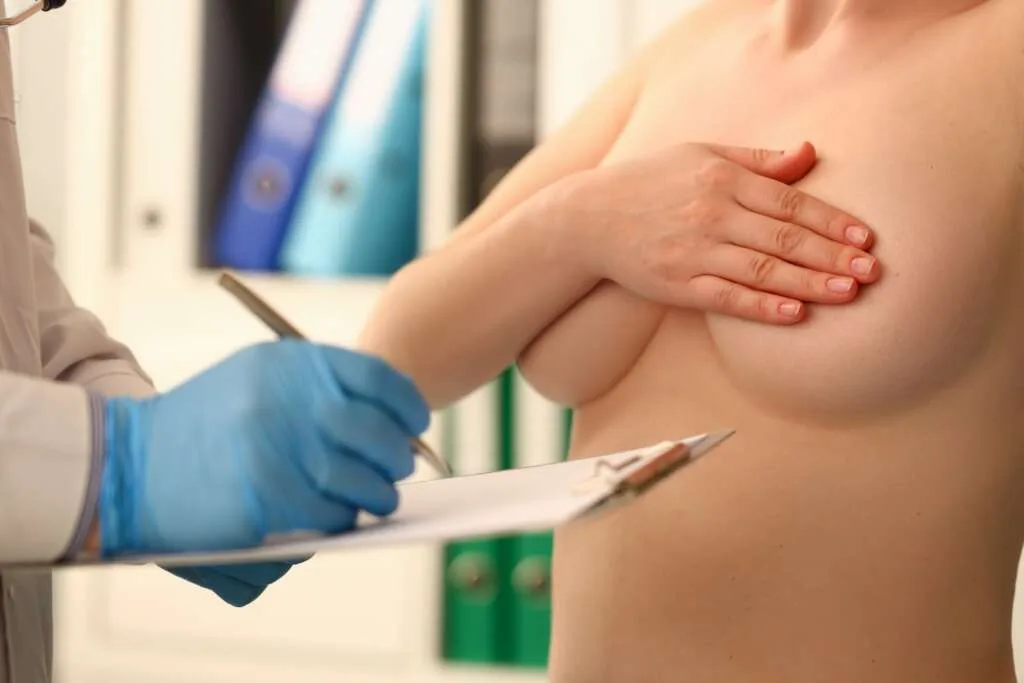
Women’s Health Checkups are essential as women juggle multiple roles in our daily lives. Whether as a mother, sister, daughter, wife, or homemaker, women are the backbone of society. While they manage the family and their professional lives, they often neglect their own health.
A woman’s body endures various challenges, from menstruation to childbirth, which can strain their health. Regular checkups are crucial for maintaining their well-being. Here are some key checkups every woman should have at regular intervals.
Blood Pressure Screening

One of the most critical health checkups for women is blood pressure screening. High blood pressure, also known as hypertension, is often referred to as a “silent killer” because it typically has no symptoms but can lead to serious health issues such as heart disease, stroke, and kidney problems. Blood pressure screening is a simple, non-invasive test that measures the force of blood against the walls of your arteries.
If your blood pressure is within the normal range, and you do not have any risk factors or symptoms of high blood pressure, it is recommended to have it checked at least once every three to five years. However, if you have certain risk factors—such as diabetes, heart disease, kidney problems, or being overweight—your blood pressure should be monitored more frequently. Regular screening is essential because it allows for the early detection of hypertension, which can then be managed through lifestyle changes and medication if necessary.
Editor’s Choice

Breast Cancer Screening
Breast cancer screening is another crucial health checkup that women should prioritize, especially those with a family history of breast cancer. This screening involves a mammogram, which is an X-ray of the breast that helps detect cancer before any symptoms appear. While breast cancer screening cannot prevent the disease, early detection significantly improves the chances of successful treatment and survival.
Women should start discussing breast cancer screening with their healthcare providers in their 40s, or earlier if they have a family history of the disease. For women at average risk, mammograms are typically recommended every one to two years starting at age 40. However, women at higher risk may need to begin screening earlier and more frequently. Regular breast cancer screening is essential for catching the disease in its early stages, when it is most treatable.
Cervical Cancer Screening
Cervical cancer screening is vital for women who have a cervix, and it should begin at age 21. The primary test used for cervical cancer screening is the Pap test (Pap smear), which involves collecting cells from the cervix to check for abnormalities that could indicate cancer or precancerous changes.
For women aged 21 to 29, the United States Preventive Services Task Force (USPSTF) recommends having a Pap test every three years. Women aged 30 to 65 can either continue with the Pap test every three years or choose to have a combined Pap test and human papillomavirus (HPV) test every five years. HPV is a significant risk factor for cervical cancer, so testing for the virus can provide additional protection. Regular cervical cancer screening is crucial because it allows for the early detection and treatment of precancerous conditions before they develop into full-blown cancer.
Cholesterol Screening
Cholesterol screening, also known as a lipid panel or lipid profile, is a blood test that measures the levels of cholesterol and triglycerides in your blood. High cholesterol is a significant risk factor for atherosclerosis, a condition in which fatty deposits build up in the arteries, leading to narrowed or blocked arteries and increasing the risk of heart disease and stroke.
Women should have their cholesterol levels checked regularly, starting in their 20s, or earlier if they have risk factors such as obesity, diabetes, or a family history of heart disease. If your cholesterol levels are within the normal range, screening every four to six years is typically recommended. However, more frequent testing may be necessary if you have high cholesterol or other risk factors. Regular cholesterol screening is important because it helps identify potential heart health issues before they become severe.
Diabetes Screening
Also known as the fasting blood sugar test, diabetes screening measures your blood sugar after an overnight fast. According to the CDC, a fasting blood sugar level of 99 mg/dL or lower is normal, 100 to 125 mg/dL indicates prediabetes, and 126 mg/dL or higher indicates diabetes.
Women play multiple roles and often neglect their health while taking care of others. Regular checkups are crucial to ensure they remain healthy and can continue to perform their various roles effectively. Prioritize these screenings to maintain your well-being and catch any potential health issues early.
Please read more about Health screenings for women ages 18 to 39
blood pressure screening, breast cancer screening, cervical cancer screening, cholesterol screening, diabetes screening, women’s health, parentsOpedia Blood pressure screening for women, Diabetes screening for women, Cholesterol screening, Regular health screenings, women, Women’s wellness care, Preventive health for women.